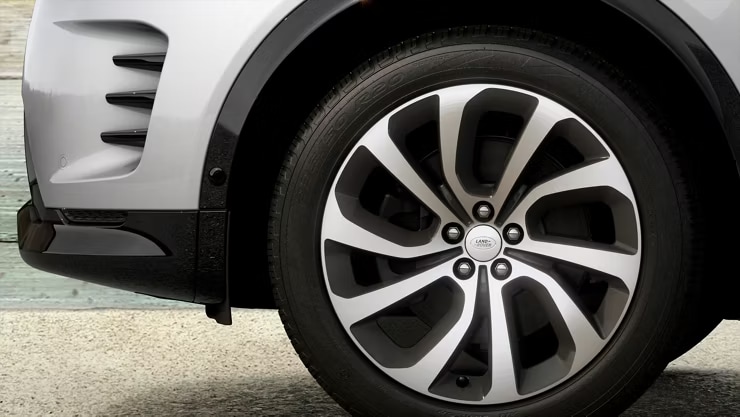
How long do Range Rover tires last? There's no single answer, as tire lifespan depends on driving habits, tire type, road conditions, and maintenance. The weight and performance capabilities of these luxury SUVs can also influence tread wear. Understanding when to replace your Range Rover tires helps you maintain confident handling and traction. Land Rover Bellevue explains what affects tire longevity and how to recognize signs of wear.
Driving Habits and Vehicle Weight
Range Rover models are substantial luxury SUVs, and their weight and performance capabilities can place additional demands on their tires. Frequent hard acceleration, aggressive cornering, sudden braking, and carrying heavy loads can accelerate tread wear. Rough pavement and off-road driving may also shorten tire life.
Smooth driving habits and choosing tires suited to your vehicle's specifications can help preserve their condition. High-performance tires may prioritize grip and handling over tread longevity, making tire selection another important factor in replacement frequency.
Tire Pressure
Incorrect tire pressure can cause premature and uneven tread wear. Underinflated tires often wear more quickly along their outer edges, while overinflated tires may experience excessive wear near the center. Check your tire pressure at least once a month when the tires are cold, and follow the recommended pressures listed on your vehicle's tire information label. Regular checks are especially important during seasonal temperature changes.
Tire Rotations and Wheel Alignment
Regular tire rotations can promote more even tread wear and help extend tire life. However, rotation requirements vary by vehicle and tire configuration, and some Range Rover models have different front and rear tire sizes that limit rotation options. Follow your owner's manual and your service technician's recommendations. Proper wheel alignment is equally important, as misalignment can cause uneven tire wear or make your vehicle pull to one side while driving.
Tire Age
Even tires with plenty of remaining tread can deteriorate over time. Exposure to sunlight, temperature extremes, and changing weather conditions can gradually affect rubber flexibility and strength. Some vehicle and tire manufacturers recommend replacement after six to 10 years, regardless of tread depth. Check your tire manufacturer's recommendations and have aging tires inspected by a qualified technician.
Signs Your Range Rover Tires Need Replacement
Regular tire inspections can help you identify problems before they affect vehicle handling. Warning signs include shallow tread, uneven wear, bald spots, sidewall cracks, bulges, and persistent vibration. Tires should be replaced when tread depth reaches 2/32 of an inch, although replacement may be advisable sooner for wet-weather performance. Visible structural damage, including sidewall bulges, also requires prompt professional attention.
Schedule Range Rover Tire Service in Bellevue, WA
Keeping your tires in good condition helps preserve the comfort, handling, and performance of your Range Rover vehicle. Whether you need a tire inspection, wheel alignment, or replacement tires, the team at Land Rover Bellevue can help. Contact our service professionals today to schedule an appointment and explore tire options suited to your vehicle.